Wind from the “wrong” direction
Most Hawaii buildings are oriented and maintained with the northeast trade winds in mind. A Kona low reverses that. These winter storms bring southerly or southwesterly winds and heavy rain to leeward coasts that rarely see them – Kailua-Kona, Lahaina, Kihei, Waikiki, Ewa Beach. Windows, lanai doors and roof edges that never face a strong wind suddenly take one head on.
Strong trade-wind events and downslope gusts cause their own damage. Air spilling over the Koolau Range, Haleakala or the Kohala Mountains can accelerate sharply on the lee side, lifting roof panels, toppling trees onto homes and tearing off carports. Waterspouts occasionally come ashore, and rare tornadoes have touched down in the islands.
Typical damage on these claims
- Lifted or peeled metal roofing, missing ridge caps and torn flashing.
- Wind-driven rain entering through damaged roofs, sliding doors and jalousie windows.
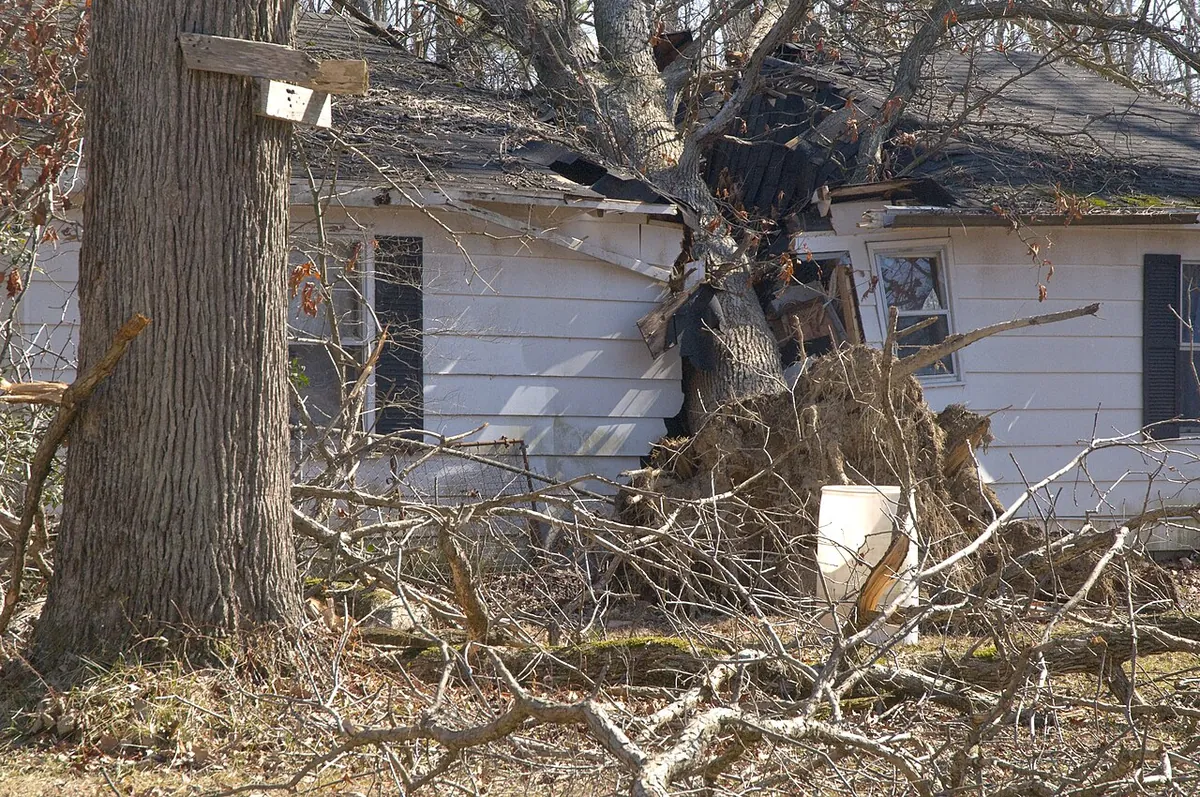
- Fallen trees and branches – monkeypod, albizia and mango – damaging roofs, lanais and fences.
- Damaged solar panels, rain catchment covers and carports.
- Interior water damage to ceilings, floors and cabinets in homes built for trade-wind exposure only.
Where wind claims go wrong
Carriers often accept the wind event but dispute the extent. A roof with some prior wear may be scoped as a small repair. Interior damage may be limited to one room when water traveled further through a single-wall structure. Fallen-tree claims may be capped or partly excluded depending on the policy. Pricing may ignore freight, crane access on hillside lots, or GET.
Appraisal can address the amount of covered loss: what was damaged, how much it costs to repair, and whether a repair is practical given matching and code. It cannot decide whether a particular item is covered, and if the carrier has denied the claim outright, a Hawaii attorney is the right first call.
Rain without wind
Policies often treat rain damage differently depending on whether wind first opened the building. Surface water and flooding are usually excluded under homeowners policies and need separate flood coverage. If your loss involves both, our water damage claim appraisal page explains how those claims are usually separated.
Leeward homes and older construction
Homes in places such as Lahaina, Kihei and Ewa Beach were often built with jalousie windows, open eaves and lanai doors that face away from the trades. During a Kona storm those openings face the weather directly. Estimates should account for the interior damage that follows and for current code requirements when windows and doors are replaced.
Document the storm promptly
Photograph damage before temporary repairs, keep receipts for tarps and emergency work, and note the date and direction of the wind. The claim timeline builder helps you keep notice dates and carrier responses in one place.
Hawaii Insurance Appraiser works on wind claims on every major island. We build an independent estimate, work with the carrier’s appraiser, and present disputed items to the umpire. We do not promise outcomes, but we do make sure the number reflects what a Hawaii repair really takes.
Common questions
What is a Kona low?
A Kona low is a winter storm system that brings southerly winds and heavy rain to Hawaii’s usually sheltered leeward coasts. It often damages buildings that are only prepared for trade winds.
Is a fallen tree covered under my homeowners policy?
Many policies cover damage when a tree falls on a covered structure because of wind, sometimes with limits on removal costs. The appraisal panel can price covered damage, but coverage limits come from your policy.
Does the hurricane deductible apply to a Kona storm?
Usually not, because hurricane deductibles are typically triggered by a named hurricane or official warning. Check the definition in your own policy.