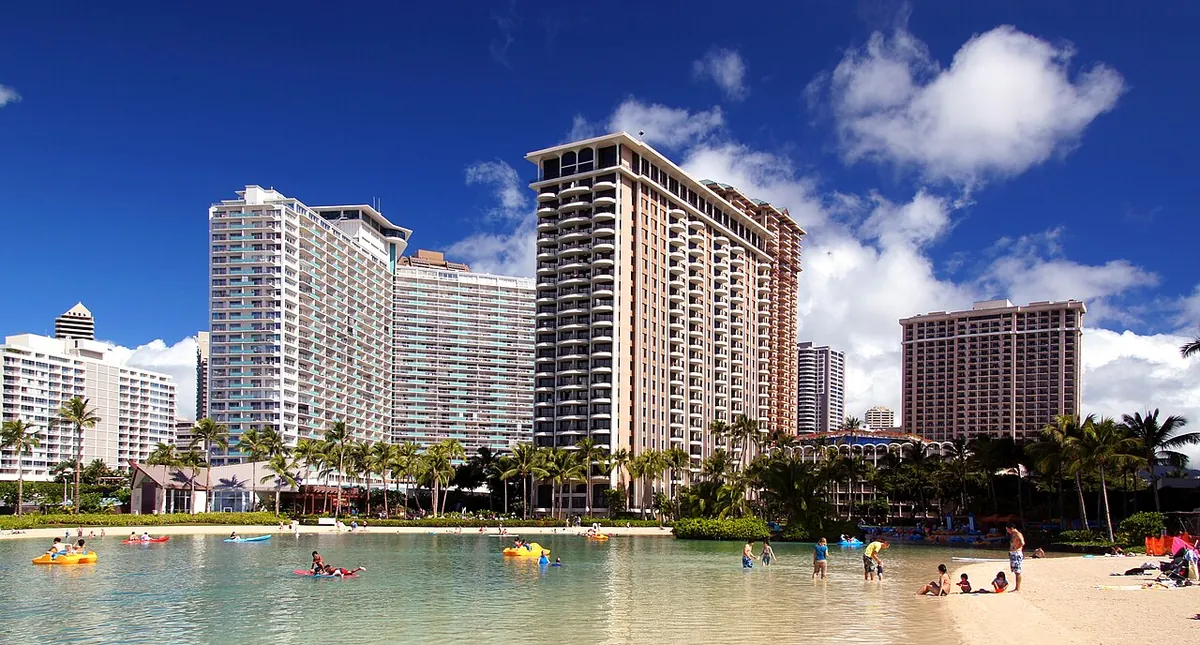
Condo claims in Hawaii are layered
Much of Honolulu lives in condominiums governed by an Association of Apartment Owners. A Waikiki or Kakaako tower typically carries a master policy for the building, while each owner carries an HO-6 policy for their unit interior, personal property and loss assessments. The governing documents decide where one responsibility ends and the other begins, and that line is often what a claim turns on.
Master policies in Hawaii frequently carry large deductibles, sometimes stated as a percentage. When the association passes part of that deductible to owners, loss-assessment coverage under each HO-6 may come into play. Recent legislative sessions have looked hard at condo insurance availability, including discussion of the Hawaii Property Insurance Association’s role for associations; check the current status with your broker before relying on any change.
What we do for associations
- Scope common-element damage – roofing, lanai railings, exterior coatings, elevators, mechanical rooms and stack pipes – with access planned around residents.
- Separate master-policy items from unit-owner items according to the declaration and bylaws, so the amount is assigned correctly.
- Price high-rise work realistically, including swing stages, crane time, after-hours restrictions, freight and GET.
- Work with the carrier’s appraiser and, if needed, present disputed items to the umpire.
Unit owners
If you own a unit and your HO-6 carrier and you disagree on the cost of interior repairs, we can act for you as well. Our condo deductible share calculator estimates how an association deductible might be allocated, and our guide to the condo master policy versus HO-6 explains how the two policies fit together.
Documentation boards should gather
Appraisal goes more smoothly when the association can produce its declaration, bylaws, the full master policy with endorsements, the most recent reserve study, maintenance records for the damaged components and any engineering reports. Managing agents often hold most of this. Organized records help separate storm damage from deferred maintenance, which is a frequent point of disagreement on older towers.
Commercial and mixed-use properties
We also handle appraisal for commercial owners: retail strips in Kapolei and Kahului, small office buildings in downtown Honolulu, warehouses near the harbor, and resort and vacation-rental properties in Kihei, Wailea and Kailua-Kona. Commercial claims can involve business income, which needs its own documentation, and buildings with specialty systems that need specialist pricing.
Commercial policy forms vary more than homeowners forms. Some appraisal clauses add steps or limits; some policies include sublimits for specific perils. We read the form first and tell you plainly what an appraisal panel can and cannot decide under it.
Why independence matters for boards
Board members owe duties to every owner, and a claim decision can affect assessments for years. Hawaii Insurance Appraiser is an independent appraisal practice – not a contractor hoping to win the repair, not a public adjuster, and not a law firm. If a dispute involves a denial, how the claim has been handled, or a suit deadline, the board should consult a Hawaii attorney. For the amount of loss, we offer a documented, defensible number. Start through our contact page.
Common questions
Who can demand appraisal on a master policy claim?
Usually the named insured, which is typically the association acting through its board. Check the bylaws for any approval the board needs before acting.
Can a unit owner use appraisal against their HO-6 carrier?
Yes, if the HO-6 policy has an appraisal clause and the dispute is about the amount of a covered loss. That process runs separately from any association claim.
Do you appraise vacation rentals and resort properties?
Yes. We handle commercial and mixed-use properties, and we read the specific commercial form first because those clauses vary.
Can appraisal resolve a stack pipe dispute between units?
It can set the repair cost for covered damage, but who is responsible under the governing documents is a separate question the panel does not decide.