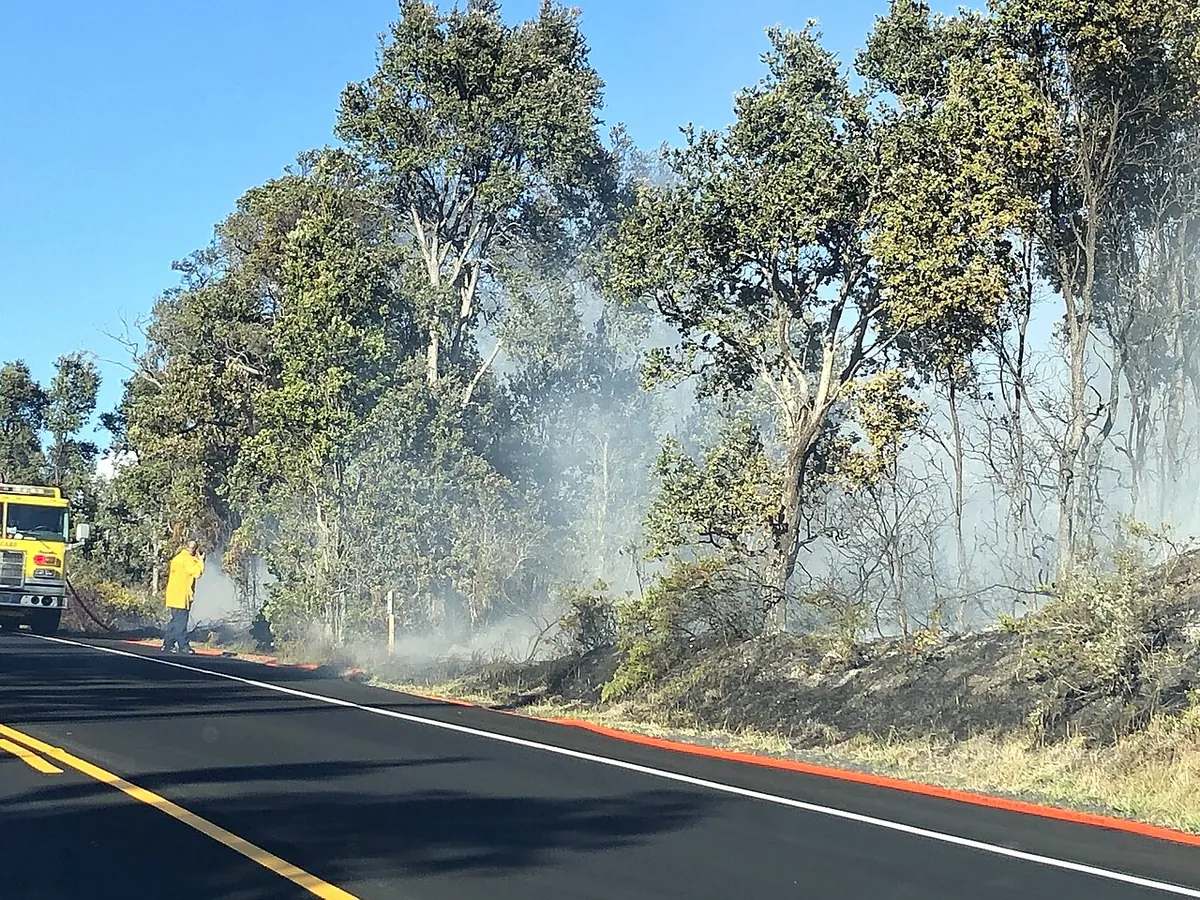
Wildfire in Hawaii
On August 8, 2023, wind-driven fires swept through Lahaina and burned in Kula, Upcountry Maui and Pulehu, pushed by strong downslope winds as Hurricane Dora passed far to the south. It was the deadliest wildfire in the United States in more than a century, and the recovery continues for families and businesses across Maui.
The risk is not limited to one island. Leeward slopes on Oahu, including Waianae and Makaha, central Maui, and the dry sides of the Big Island are covered with non-native grasses such as guinea grass that dry out quickly and burn hot. Hurricane Lane in 2018 also brought wind-driven fires on Maui and Oahu. Grass fires near Waikoloa, Kihei and Kapolei are now a regular part of the dry season.
What wildfire claims involve
- Total losses: when a home is destroyed, the dispute shifts to the cost to rebuild – and whether the carrier’s figure reflects current Hawaii construction costs.
- Smoke and ash: homes that survive may have ash in attics, soot in ductwork and lingering odor. Our guide to documenting wildfire smoke damage explains what to record.
- Debris removal: clearing burned sites can be costly, and policies often limit how much is paid for it.
- Additional living expenses: months or years in temporary housing, in a tight rental market.
- Other structures and landscaping: ohana units, fences, walls and trees, often subject to their own limits.
- Contents: household items valued under the policy’s terms.
Underinsurance and limits
Many wildfire claims run into policy limits. When the cost to rebuild exceeds the dwelling limit, appraisal can still establish the true amount of loss, which matters for extended replacement cost endorsements and for understanding the gap. Appraisal cannot raise your limits; questions about whether coverage was properly sold or explained are matters for a Hawaii attorney.
Keep a running record
Wildfire claims often stretch over many months. Keep copies of every estimate, letter and payment, record your living expenses as they occur, and note each conversation with the carrier. The claim timeline builder makes this easier.
Respectful, careful work
Wildfire claims involve loss far beyond property. We work patiently, explain each step, and keep our focus on documenting the numbers so you can focus on your family.
How we help
We inspect burned or smoke-damaged properties, build independent rebuild or restoration estimates priced for current island conditions, review debris removal and living expense figures, and work with the carrier’s appraiser. If items remain in dispute, we present them to the umpire. Our Lahaina and West Maui page covers local considerations, and the RCV, ACV and holdback calculator helps with depreciation questions.
Hawaii Insurance Appraiser does not promise any particular award. We are not public adjusters and we do not give legal advice. If your wildfire claim has been denied, delayed or limited in ways that concern you, contact a Hawaii attorney or the Insurance Division of the Department of Commerce and Consumer Affairs.
Common questions
Can appraisal be used on a wildfire total loss?
Yes, when the carrier accepts the loss but you disagree on the cost to rebuild. The panel sets the amount, subject to your policy limits.
Is debris removal part of the amount of loss?
Debris removal is usually covered with its own limit or as part of the dwelling limit, depending on the policy. Its cost can be included in what the panel decides.
My home survived but smells of smoke. Is that a claim?
Smoke and ash damage from a wildfire can be a covered loss. Careful documentation and testing help establish what cleaning or replacement is needed.
Will appraisal account for higher rebuilding costs after a disaster?
The panel can consider realistic current pricing, including post-disaster increases in labor, materials and freight.