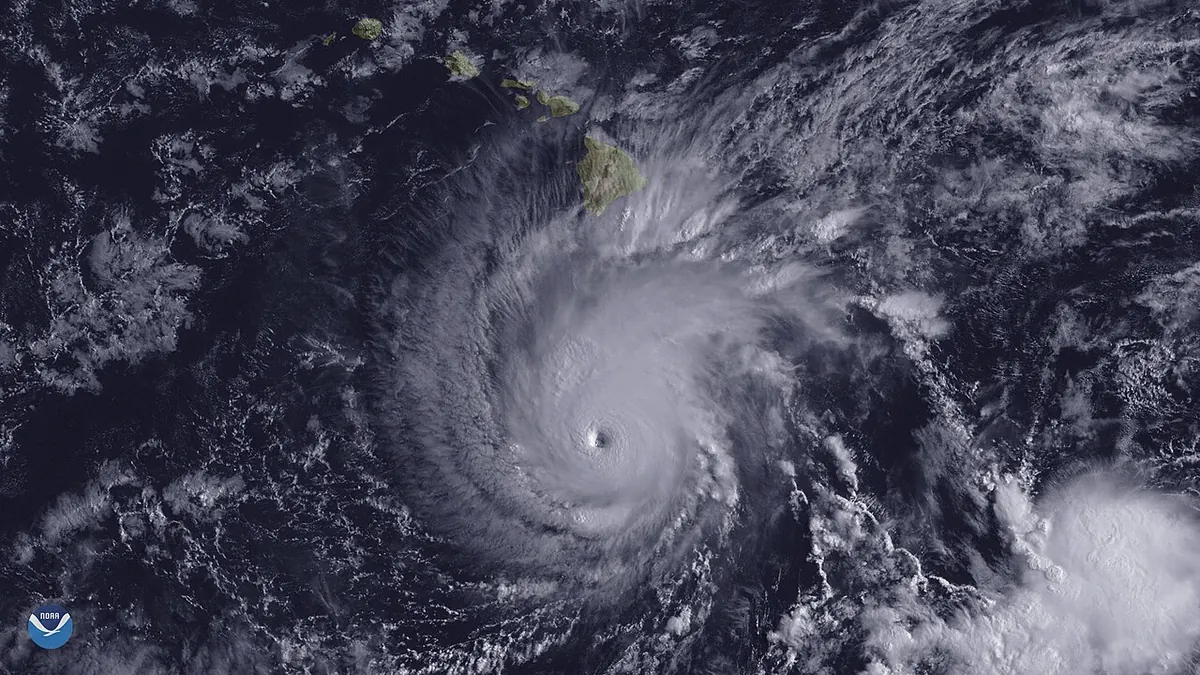
Hawaii’s hurricane history shapes today’s claims
Hurricane Iniki made a direct hit on Kauai on September 11, 1992, as a Category 4 storm – the most destructive hurricane in Hawaii history. A decade earlier, Hurricane Iwa damaged Kauai and Oahu, and Hurricane Dot struck Kauai in 1959. More recently, Hurricane Lane in 2018 brought extreme rainfall and flooding to the Big Island’s windward side around Hilo, along with wind-driven fires on Maui and Oahu. Tropical Storm Darby and Hurricane Douglas passed uncomfortably close.
After Iniki, private carriers pulled back so sharply that the state created the Hawaii Hurricane Relief Fund to provide hurricane coverage. The fund later stopped writing policies once private hurricane coverage returned. Today hurricane coverage is usually included or added by endorsement – but almost always with its own deductible.
Why hurricane claims end up in appraisal
When the deductible is a percentage of dwelling coverage, the gap between the carrier’s estimate and the real repair cost can decide whether you receive anything at all. A few common sources of disagreement:
- Roof scope: spot repairs versus full replacement of metal, shingle or tile roofs.
- Wind-driven rain: interior damage from water forced through openings the storm created.
- Demand surge: after a major storm, materials and labor across the islands get scarce and expensive, and pricing databases lag behind.
- Freight and GET: ocean shipping, inter-island barges and General Excise Tax left off or understated.
- Code upgrades: wind-resistance requirements your county now enforces on repaired work.
Flood and storm surge are usually separate
Homeowners policies generally exclude flood and storm surge. Those losses typically fall under a National Flood Insurance Program policy or private flood coverage. When a hurricane causes both wind and flood damage, the two must be separated, and that split is a common point of contention. The appraisal panel can price wind damage the carrier accepts; a dispute over which peril caused which damage may become a coverage question.
What we do
We inspect the property, document wind openings and interior water paths, measure and scope everything ourselves, and price the work for your island and the post-storm market. We then work with the carrier’s appraiser and present disputed items to the umpire. Our roof claim appraisal page covers roof issues in more detail.
Temporary repairs and mitigation
Most policies expect you to take reasonable steps to prevent further damage, such as tarping a roof or boarding broken windows. Keep receipts and photos of that work; reasonable mitigation costs are usually part of the claim.
Plan before the next storm
Hurricane season runs from June through November in the Central Pacific. Keep a copy of your policy and declarations page somewhere you can reach after a storm, photograph your home now, and know your deductible.
Hawaii Insurance Appraiser is independent of carriers and contractors. We do not promise any award and we do not give legal advice. If your hurricane claim has been denied or delayed in ways that worry you, speak with a Hawaii attorney or contact the Insurance Division of the Department of Commerce and Consumer Affairs.
Common questions
What happened to the Hawaii Hurricane Relief Fund?
It was created after Hurricane Iniki to provide hurricane coverage when private carriers pulled back, and it later stopped writing policies once private hurricane coverage returned to the market.
Can appraisal lower my hurricane deductible?
No. The deductible is set by your policy. Appraisal sets the amount of loss, and the deductible is then applied to that figure.
Is storm surge covered by my homeowners policy?
Usually not. Storm surge is typically treated as flood, which needs a separate flood policy such as one through the National Flood Insurance Program.