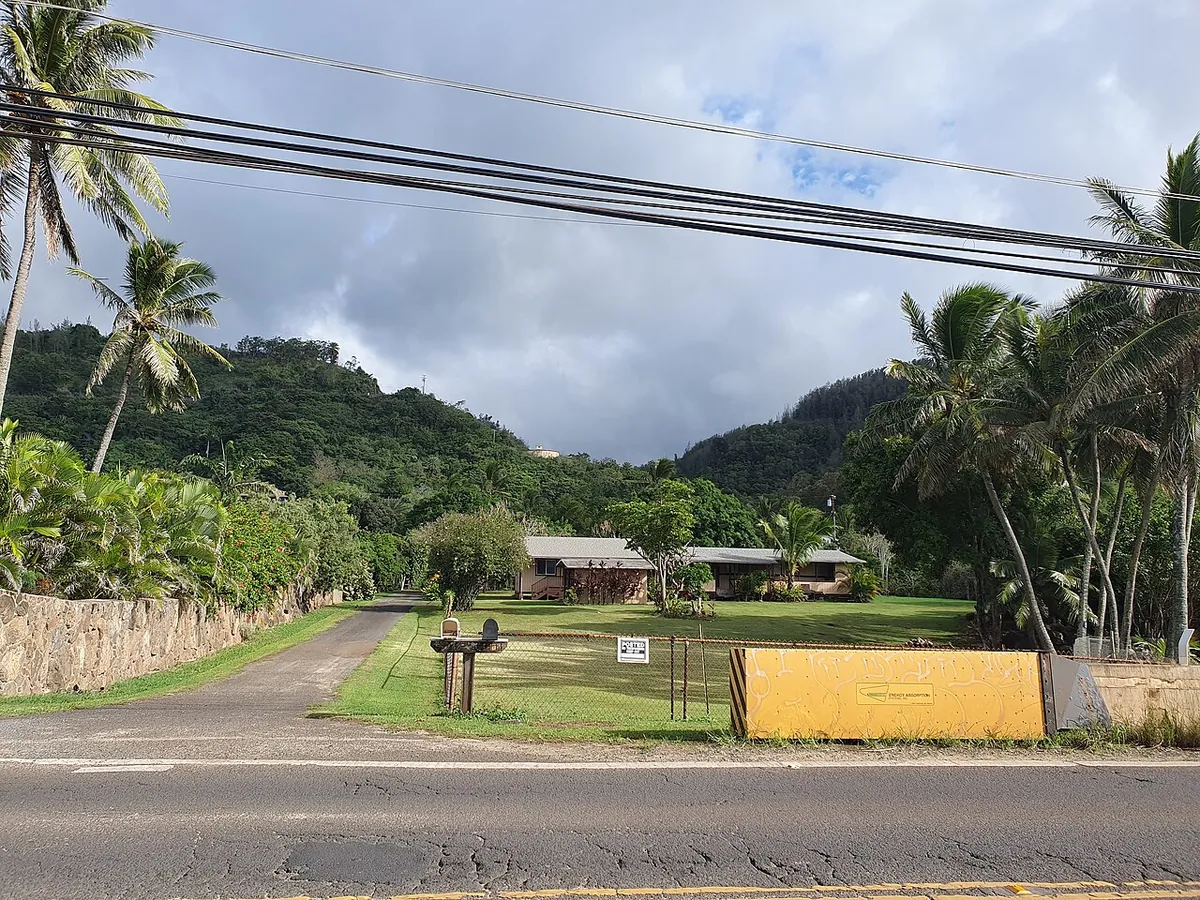
Why Hawaii homes are hard to estimate
A carrier estimate built from generic pricing can miss a lot in Hawaii. Many older homes on Oahu, Kauai and the Big Island are single-wall construction, where the exterior boards are also the interior wall surface. Post-and-pier foundations, hip roofs with corrugated metal, termite-treated lumber and add-on ohana units are common. When the estimate treats your house like a tract home with drywall and a slab, the scope and the price can both fall short.
Then there is the cost of getting materials and people to the job. Nearly everything arrives by ocean freight, and neighbor-island jobs often add barge charges. After a large event, labor gets scarce. Hawaii General Excise Tax applies to most contractor work and is sometimes missing from estimates altogether.
What we look at on a homeowner claim
- Scope: every damaged component, including items hidden behind single-wall boards or under the floor system.
- Matching: whether repaired areas can reasonably match the rest of the roof, siding or flooring when profiles and finishes have been discontinued.
- Code items: what your county building department will require for the repair, and whether your policy includes ordinance or law coverage.
- Pricing: local labor, freight, disposal and GET, priced for your island rather than a mainland average.
- Depreciation: how the carrier calculated actual cash value and what holdback you can recover once work is done.
How the appraisal works for a homeowner
Once appraisal is demanded, we inspect your home, build a line-item estimate and meet with the carrier’s appraiser. Most of the work is narrowing the difference: confirming measurements, agreeing on which items are damaged and resolving pricing. Items still in dispute go to the umpire. A signed award from two of the three panel members sets the amount.
Useful tools before you call
Our RCV, ACV and holdback calculator shows how depreciation affects what you receive now versus later. The claim gap and fee estimator helps you judge whether the difference is large enough to make appraisal worthwhile. For background on corrosion disputes, read our guide to salt air corrosion versus storm damage.
Depreciation on island homes
Carriers sometimes apply heavy depreciation to older homes, even to components that were recently replaced. Records of past roof, plumbing or electrical work help show their real age and condition.
Homes we work on
We see plantation cottages in Wahiawa and Haleiwa, hillside homes in Manoa and Kaimuki, newer subdivisions in Kapolei and Mililani, Upcountry homes in Kula, and off-grid Puna houses with rain catchment systems. Each has its own construction quirks and access challenges, and the estimate should reflect them.
Hawaii Insurance Appraiser is independent. We are not public adjusters, we do not negotiate the rest of your claim, and we do not promise results. What we offer is a careful, documented number and a clear presentation of it on the appraisal panel. If your homeowner claim has stalled over price, reach out with your policy and the carrier’s estimate.
Common questions
Does a single-wall home cost more to repair?
It can, because damage to the exterior boards is also damage to the interior surface, and replacement boards may need to be milled or sourced to match. A good estimate accounts for that.
Can appraisal include my ohana unit?
If the ohana unit is covered under your policy, usually as part of the dwelling or other structures, its damage can be included in the amount of loss the panel decides.
Will appraisal help if my claim was denied for wear and tear?
Usually not on its own. A wear-and-tear denial is a coverage decision, and you should talk with a Hawaii attorney about it.