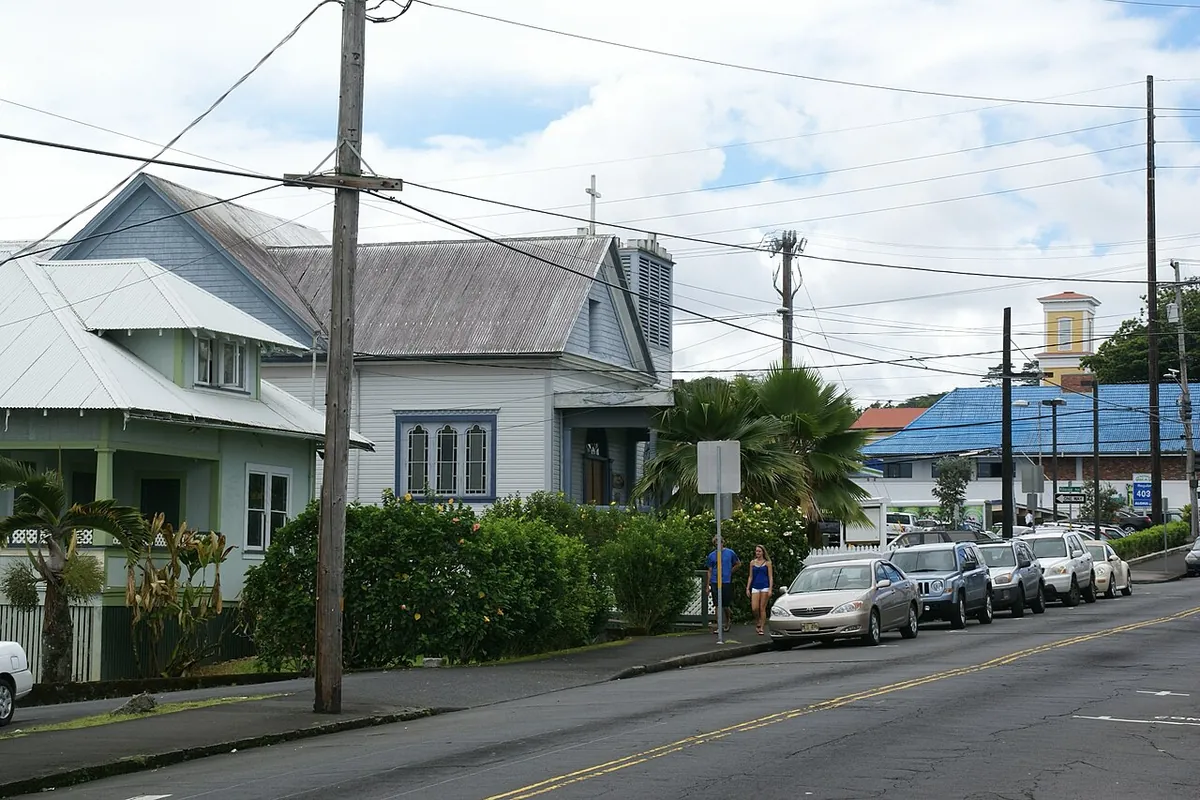
A uniquely island dispute
Almost every property in Hawaii lives within reach of salt air. Combined with strong UV, trade winds and, on the Big Island, vog, salt spray slowly attacks metal roofing, fasteners, flashing, railings, window frames and air conditioning equipment. So when a storm tears off roofing panels or damages a lanai, the insurer may argue that the real cause was long-term corrosion, not the wind.
This is one of the most common disagreements we see in Hawaii storm claims. Understanding how it is framed helps you document your loss and decide whether appraisal is the right tool.
What policies usually say
Most homeowners and commercial property policies exclude losses caused by wear and tear, deterioration, rust or corrosion, and similar gradual processes. At the same time, they cover sudden and accidental physical loss from perils such as windstorm, subject to the policy’s other terms. The tension is obvious: a corroded fastener that fails in a 60 mph gust involves both.
How a particular policy handles that overlap depends on its exact wording, including any anti-concurrent causation language. That is why the same set of facts can be treated differently under two different policies.
What evidence tends to matter
Whether you are arguing that damage is storm-related or simply trying to make sure the record is complete, focus on facts that distinguish sudden damage from gradual deterioration:
- Pattern of damage: wind damage often follows the direction of the storm, with uplift at edges, ridges and corners. Corrosion tends to be more uniform across exposed surfaces.
- Fresh versus old breaks: bright, clean metal at torn fasteners or creased panels suggests recent failure, while heavy rust at the break suggests a longer process.
- Before-and-after photos: real estate listing photos, drone images, satellite imagery or old family photos can show the roof’s condition before the storm.
- Weather data: records showing wind speeds and direction at nearby stations on the date of loss.
- Neighboring properties: similar damage on nearby homes of different ages can point toward the storm.
- Maintenance records: receipts for coatings, fastener replacement or roof inspections.
Kona lows deserve special mention. Because they bring wind from the south and west, they can damage the leeward sides of buildings that rarely face strong wind, exposing weaknesses that trade winds never tested. Documenting the storm’s direction can help explain why damage appears where it does.
How appraisal panels look at it
Appraisal decides the amount of loss. In a salt-air dispute, the question is often framed as: how much of this damage was caused by the storm, and what does it cost to repair that portion? Panels approach this in different ways, and the law on it is not uniform:
- Some panels value only the damage both sides agree is storm-related and leave the rest to the parties.
- Some panels determine the amount of loss for the storm-related portion, which requires a judgment about which damage the storm caused.
- Some panels issue an itemized award that values disputed items separately, so a court or the parties can apply coverage decisions later.
Whether a panel may decide causation at all is a legal question. Courts and panels have handled it differently, and policy wording matters. If the insurer is denying the claim on the ground that corrosion, not wind, caused the loss, consult a Hawaii attorney before demanding appraisal. An attorney can tell you whether appraisal is likely to be effective and how to frame the demand.
Matching and partial replacement
Even when the insurer accepts some storm damage, disputes often follow over how much must be replaced. Older corrugated or standing-seam metal panels can be hard to match in profile and color, and a few new panels next to weathered ones may not be a reasonable repair. How matching is treated depends on policy wording and applicable law. Our roof pitch and squares estimator can help you check roof quantities before comparing estimates.
Practical steps after a storm
- Photograph the damage from the ground and, if safe, up close – including fastener heads and the undersides of lifted panels.
- Keep any loose panels, fasteners and flashing that blew off; they are physical evidence.
- Make temporary repairs to prevent further water entry, and keep receipts.
- Get a written opinion from a roofer familiar with coastal metal roofing.
- Request the insurer’s inspection report and photos in writing.
Where we fit
If the insurer accepts that the storm caused damage but you disagree on how much and what the repair costs, our Kona storm and high wind claims service can help. For a quick check on whether your file is ready, try the appraisal readiness check. We do not give legal advice and cannot guarantee how a panel will treat causation, but we can help make the valuation as clear and well-documented as possible.
Quick answers
Can an appraisal panel decide whether corrosion or wind caused the damage?
It depends on the policy and the law, and courts and panels have handled causation differently. If the insurer is denying on causation grounds, consult a Hawaii attorney before demanding appraisal.
What evidence helps show storm damage rather than wear?
Damage patterns that follow the storm direction, fresh breaks at fasteners, before-and-after photos, weather data and similar damage on neighboring properties are often useful.