Two policies, one damaged unit
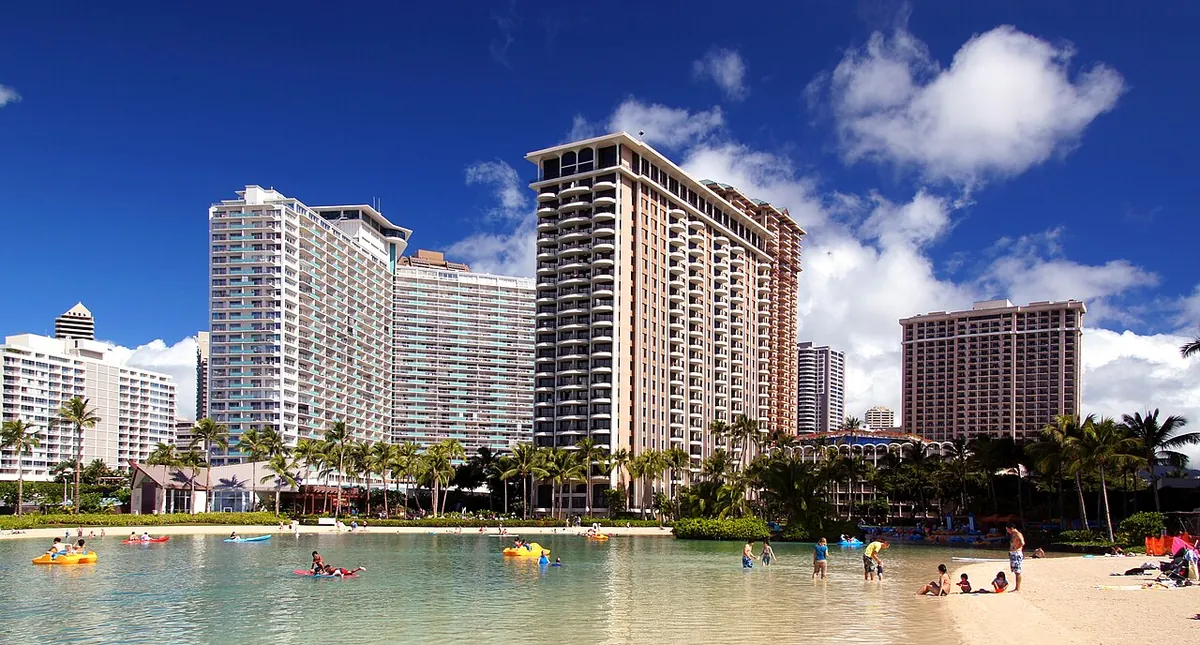
Condominium living is common across Hawaii, from high-rises in Honolulu, Waikiki and Kakaako to low-rise complexes in Kihei, Kailua-Kona and Lihue. When something goes wrong – a burst stack pipe, a wind-driven rain event, a fire in a neighboring unit – at least two insurance policies are usually involved: the master policy bought by the Association of Apartment Owners (AOAO) and the HO-6 policy you buy for your own unit.
Knowing where one policy ends and the other begins is the first step to a smooth claim. It is also where many disputes start.
What the AOAO master policy generally covers
The master policy typically insures the building structure and the common elements: roofs, exterior walls, elevators, lobbies, hallways, shared plumbing and electrical systems. Whether it also covers items inside your unit depends on how the policy and your association’s governing documents are written. Common approaches include:
- Bare walls: the master policy covers the structure only, and owners insure everything from the drywall in.
- Single entity or original specifications: the master policy covers the unit as originally built, including standard fixtures, but not owner upgrades.
- All-in: the master policy covers fixtures and improvements, including some owner upgrades.
Your declaration, bylaws and house rules define the boundary. Ask your managing agent for copies if you do not have them.
What your HO-6 policy generally covers
An HO-6 unit-owner policy is designed to fill the gaps around the master policy. It commonly includes:
- Interior finishes and improvements not covered by the master policy, such as upgraded flooring, cabinets or countertops.
- Personal property, including furniture, electronics and clothing.
- Loss of use, which helps with living costs if your unit is uninhabitable.
- Personal liability.
- Loss assessment coverage, which can help pay your share of a special assessment the AOAO levies after a covered loss.
The deductible question
Master policies in Hawaii often carry large deductibles, sometimes a flat amount in the tens of thousands of dollars and sometimes a percentage for hurricane losses. Many associations’ governing documents allow the AOAO to pass the deductible, or part of it, on to the owner whose unit was the source of the loss, or to spread it across all owners as an assessment.
That is where your HO-6 matters. Loss assessment coverage may pay some or all of your share, up to its limit. Our condo deductible share calculator can help you estimate your exposure under different scenarios.
Water claims and stack pipes
Water damage is one of the most common condo claims in Hawaii’s older towers. A leak from a shared stack pipe in the wall may damage several units on different floors. Typical questions include:
- Is the pipe a common element, and does the master policy respond?
- Was the damage sudden and accidental, or the result of long-term seepage, which many policies exclude?
- Which unit’s finishes fall under the master policy and which under each owner’s HO-6?
- Who pays the master policy deductible, and how is it allocated?
Document everything early. Photograph the damage, keep moisture readings and drying logs from the mitigation company, and get the managing agent’s incident report. If several units are affected, keep your own file even if the association is coordinating the claim.
Where appraisal fits
Appraisal can resolve disagreements over the amount of loss under either policy. An AOAO board may invoke appraisal under the master policy for building damage; an individual owner may invoke it under an HO-6 for interior or contents damage. Sometimes both happen on the same event.
Coordination matters. If the master policy and your HO-6 each value overlapping items, inconsistent scopes can leave gaps or create double counting. A good appraiser will ask for the association’s estimate and scope so the unit-level valuation lines up with it. Our condo and AOAO appraisal service works with boards, managing agents and individual owners.
Condo insurance availability in Hawaii
Recent legislative sessions have focused on condo insurance availability and cost, including discussion of the role of the Hawaii Property Insurance Association (HPIA) for condominium associations. Things are changing, so check the current status with your agent or the Insurance Division before making decisions based on what you have heard.
A short checklist for owners
- Get copies of the master policy declarations and your association’s insurance provisions.
- Compare them with your HO-6 and confirm your loss assessment limit.
- Know who to call first when water starts flowing – the building engineer, the managing agent, or both.
- Keep a record of improvements you have made to your unit, with receipts and photos.
Doing this before a loss makes the claim far easier when it happens. For more on how percentage deductibles work, see our guide to hurricane deductibles in Hawaii.
Quick answers
Does the AOAO master policy cover my unit’s interior?
It depends on the policy and your association’s governing documents. Some master policies cover only the structure, while others include original fixtures or more.
Can I demand appraisal on my HO-6 if the AOAO is handling the building claim?
Yes, if your HO-6 contains an appraisal clause and you disagree on the amount of a covered loss under it. Coordinate with the association’s scope to avoid gaps or overlap.