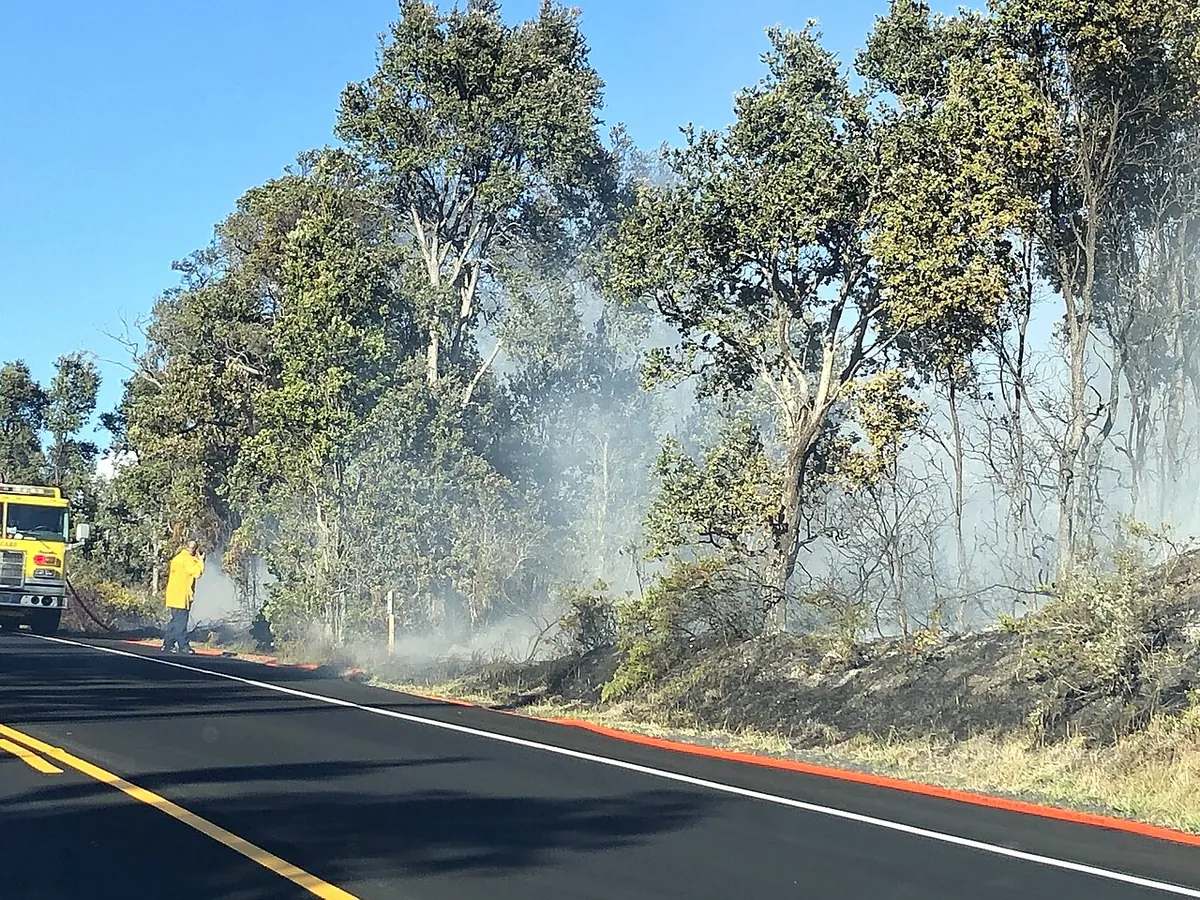
Smoke damage reaches farther than flames
Wildfire is a real risk in Hawaii’s dry leeward areas, where non-native grasses such as guinea grass cure in the summer and can carry fire quickly. The August 2023 fires in Lahaina and Upcountry Maui showed how fast wind-driven fire can move. Homes that survive a nearby fire can still be affected by smoke, soot and ash carried by the wind – sometimes well beyond the burn area.
Smoke damage is often harder to document than fire damage because much of it is invisible or subtle. Odor may linger in insulation and ductwork. Fine soot can settle into carpets, upholstery and wall cavities. Ash can be corrosive to finishes and electronics. A claim that only looks at what is obvious on the day of the adjuster’s visit may undervalue the loss.
Start documenting right away
Once it is safe to return and authorities allow access, begin documenting before you clean. Cleaning first can remove the evidence that shows how far smoke traveled. A practical sequence:
- Take wide photos and video of every room, then close-ups of surfaces, vents, window tracks and light fixtures.
- Wipe a clean white cloth or cosmetic sponge across surfaces in each room and photograph the result next to a label naming the room.
- Note odors room by room, including closets, the attic and the HVAC system.
- Photograph exterior siding, screens, lanai furniture, rain gutters and any rain catchment system.
- Keep a written log with dates, times and what you observed.
Testing and professional assessment
For significant smoke exposure, an industrial hygienist or environmental consultant may take samples to identify soot, char and ash particles and recommend a cleaning protocol. Whether the insurer will pay for testing depends on the policy and the circumstances, so ask in writing before you commission it. Testing can be valuable when the insurer’s scope calls only for surface cleaning while you believe deeper cleaning or replacement is needed.
Keep in mind that test results are evidence, not a verdict. An appraisal panel, if it gets that far, will weigh them alongside photos, the mitigation company’s records and the scope of work.
What a complete smoke scope often includes
Insurer estimates for smoke damage sometimes stop at wiping down walls. A more complete scope may address:
- HVAC cleaning, including ductwork, coils and filters, or duct replacement where cleaning is not effective.
- Sealing and repainting walls and ceilings after cleaning, to lock in residual odor.
- Replacing insulation in the attic or walls where smoke has penetrated.
- Cleaning or replacing carpet, pad and window coverings.
- Content cleaning or replacement for clothing, bedding, upholstered furniture and electronics.
- Exterior cleaning of siding, screens and lanai surfaces, and flushing or cleaning catchment tanks and gutters where ash has settled.
Pricing should reflect island conditions. After a regional fire, qualified restoration crews may be in short supply, and specialty materials may need to be shipped from the mainland. An accurate estimate accounts for freight, labor availability and general excise tax. Our guide to GET and freight in estimates explains how those costs should appear.
Additional living expenses during cleanup
If smoke, ash or odor makes your home unsafe or unlivable while cleanup takes place, your policy’s loss of use coverage may help with temporary housing and added costs. Keep receipts for lodging, meals beyond your normal spending, extra mileage and storage. On Maui and other islands where rental housing is tight after a disaster, those costs can add up quickly.
When the scope is disputed
A common disagreement is not whether smoke damage exists but how much work it takes to fix it. The insurer may propose surface cleaning; your contractor or hygienist may recommend sealing, insulation replacement or duct replacement. That kind of dispute – over the scope and cost of repairs to a covered loss – is the kind of disagreement appraisal is designed to resolve.
Disputes over whether smoke damage was caused by the fire at all, or whether an exclusion applies, are generally coverage questions. If the insurer has denied smoke damage outright, talk to a Hawaii attorney before relying on appraisal.
How we can help
Our fire and smoke claim appraisal work focuses on building a well-supported scope and price that reflects the conditions on your island. For larger events, our wildfire claim appraisal service covers total losses, partial losses and smoke-only claims. We are not public adjusters or attorneys, and we cannot promise an outcome, but we can help make sure the amount of loss is measured carefully.
Quick answers
Should I clean smoke damage before the adjuster visits?
Take thorough photos, video and wipe samples first. Basic mitigation to prevent further damage is usually expected, but avoid deep cleaning that erases evidence before it is documented.
Will my insurer pay for smoke testing?
It depends on your policy and the circumstances. Ask the insurer in writing before commissioning testing, and keep a copy of their answer.
Can appraisal resolve a smoke damage dispute?
Often, when the disagreement is about the scope and cost of repairs to covered damage. If smoke damage has been denied outright, that is a coverage issue for an attorney.