The water claims we see most in Hawaii
Hawaii’s humidity, salt air and aging building stock make water losses common. In Honolulu high-rises, cast-iron and galvanized stack pipes installed decades ago corrode and fail, sending water through several units at once. In single-family homes, supply lines, water heaters and drain lines break. And during Kona storms and heavy trade-wind showers, wind-driven rain gets in through damaged roofs, sliding doors and jalousie windows.
Where water claim estimates fall short
- Scope stops at the visible stain. Water travels through single-wall construction, under floating floors and into neighboring units. Moisture mapping matters.
- Drying is under-priced. Hawaii’s humidity can lengthen drying times, and equipment rental may cost more here.
- Mold remediation is capped. Many policies limit mold coverage. The amount within that limit still needs to be priced properly.
- Cabinets and flooring don’t match. Replacing one section of discontinued flooring or cabinetry can leave an obvious mismatch.
- Access costs are ignored. Opening walls to reach a stack pipe in a high-rise involves building rules, elevator reservations and limited working hours.
Sudden leak vs. long-term seepage
Most policies cover sudden and accidental discharge of water but exclude repeated seepage or leakage over weeks or months. Carriers sometimes argue that a burst pipe was a slow leak, or that corrosion caused the failure. Those arguments go to coverage. An appraisal panel can price the covered damage, but if the carrier has denied the claim on a seepage exclusion, talk with a Hawaii attorney about the denial itself.
Condo stack pipe claims
When a stack fails in a tower, the association’s master policy, each affected owner’s HO-6 policy and sometimes a neighbor’s policy may all be involved. The governing documents decide who repairs what. Our condo, AOAO and commercial appraisal page and our guide to the condo master policy versus HO-6 explain how those layers fit together.
Catchment and off-grid homes
On the Big Island, many homes in Puna, Kau and Hamakua rely on rain catchment tanks and their own plumbing. Tank liners, pumps and filters can be damaged in the same event that damages the house. Whether those systems are covered depends on how your policy treats them, but if they are, they belong in the estimate.
What to do right after a water loss
- Stop the source and make the area safe.
- Photograph and video everything before removal or drying starts.
- Keep damaged materials or samples if you can, especially flooring and cabinet pieces.
- Notify your insurer promptly and keep a record of every conversation – the claim timeline builder helps.
- Save every invoice for emergency services and drying.
Hawaii Insurance Appraiser works on water losses from Waikiki and Kakaako towers to homes in Aiea, Hilo and Kapaa. We build an independent estimate, work with the carrier’s appraiser and present disputed items to the umpire. We cannot promise an outcome, but we can make sure the full scope of the covered loss is documented and priced for where you live.
Common questions
Is a burst pipe covered under a Hawaii homeowners policy?
Sudden and accidental water discharge is commonly covered, while long-term leaks and seepage are commonly excluded. Your specific form controls.
Can appraisal help with a flood claim?
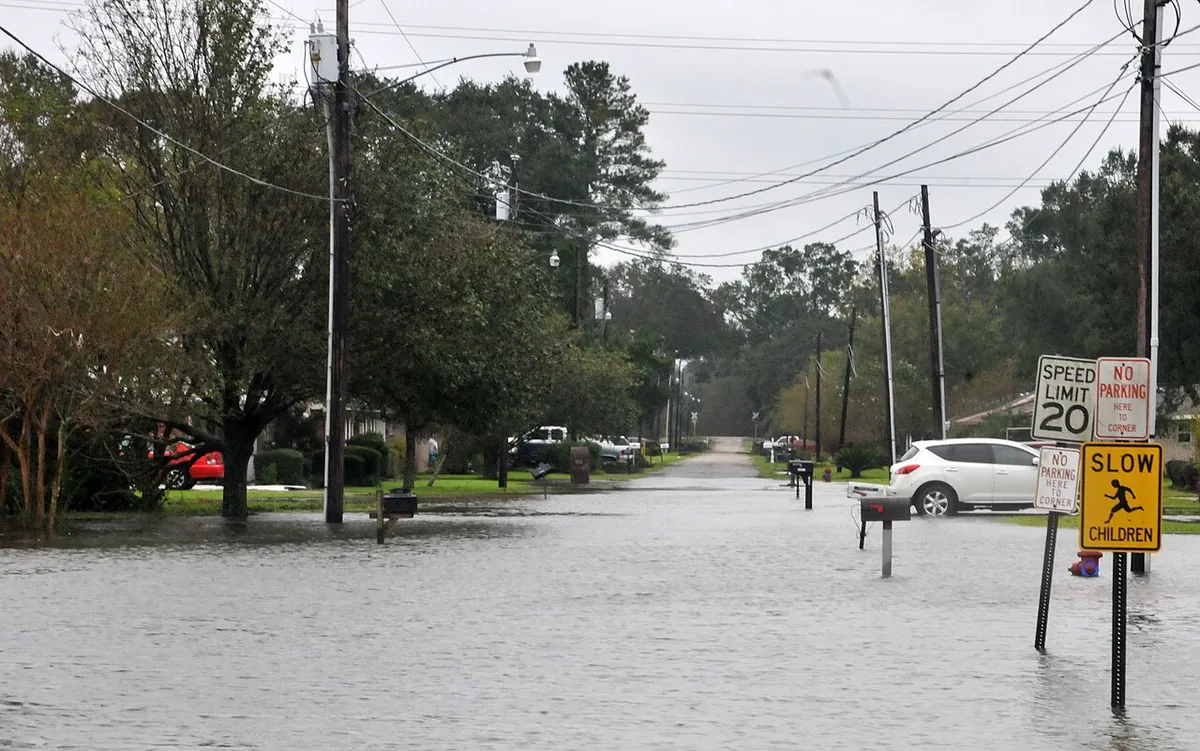
Not under a homeowners policy that excludes flood. A separate flood policy has its own terms, and some include their own dispute provisions.
Who pays when a neighbor’s unit leaks into mine?
It depends on the condo governing documents, the cause and the policies involved. The appraisal panel can price the damage, but responsibility questions are separate.