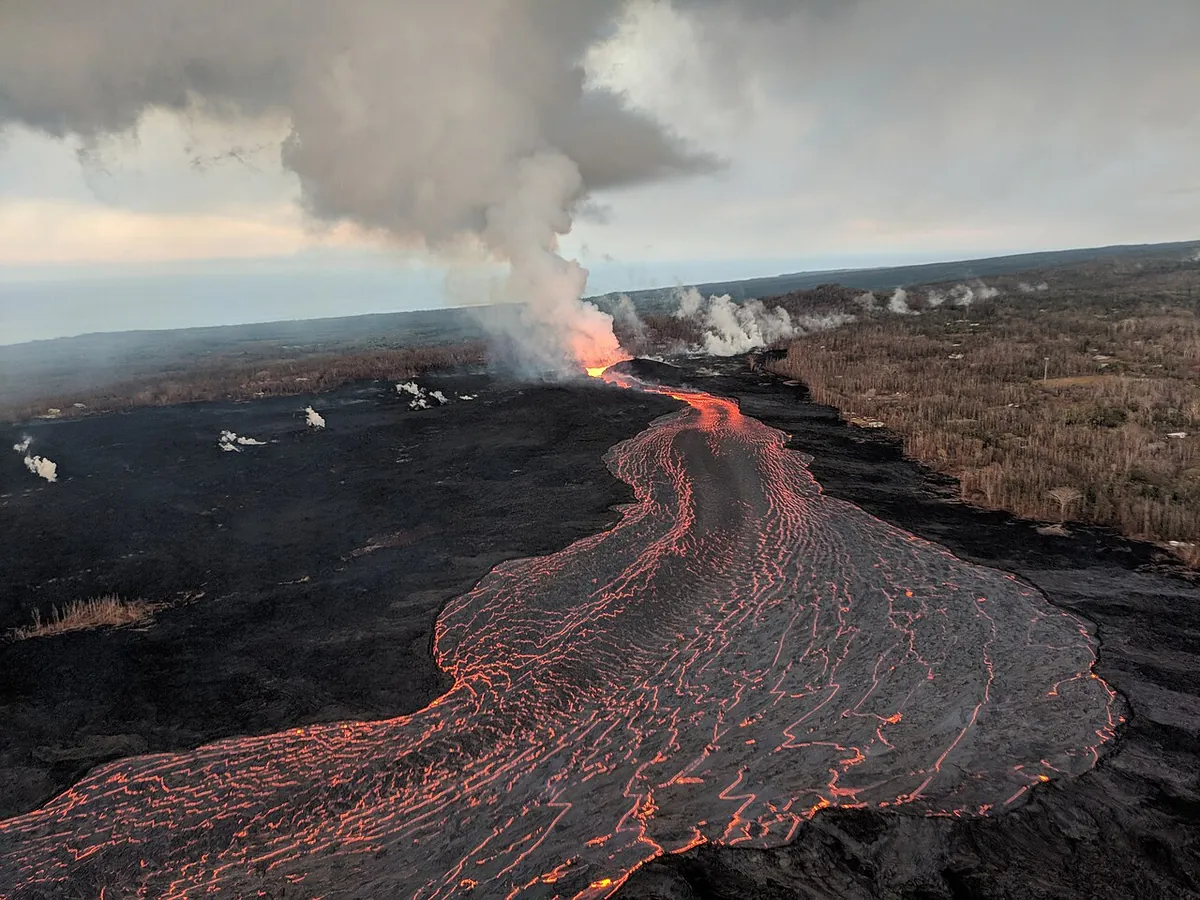
Volcanic risk on the Big Island
Kilauea and Mauna Loa are among the most active volcanoes in the world. In 2018 Kilauea’s lower East Rift Zone eruption destroyed hundreds of homes in Leilani Estates, Lanipuna Gardens, Kapoho and Vacationland. Lava reached Kalapana in 1990, and Mauna Loa erupted in late 2022. On the island’s west side, vog – volcanic smog – drifts over Kailua-Kona and Kau for long stretches.
The U.S. Geological Survey divides the island into lava hazard zones 1 through 9, with zone 1 covering the summits and rift zones of Kilauea and Mauna Loa. Many private carriers decline to write homes in zones 1 and 2, much of which lies in Puna. The Hawaii Property Insurance Association, the state’s FAIR plan, is best known for providing basic property coverage there.
Types of volcanic losses
- Lava inundation: total destruction of the home and other structures, often with access cut off.
- Ashfall: ash loading on roofs and gutters, abrasion of finishes and clogged mechanical systems.
- Vog and acid rain corrosion: accelerated corrosion of metal roofs, fasteners, screens and equipment. Whether gradual corrosion is a covered loss is a frequent dispute.
- Rain catchment contamination: ash and acidic deposits fouling catchment tanks that many Puna and Kau homes depend on.
- Related earth movement: ground cracking and settlement linked to eruptive activity, which policies may treat separately.
Where appraisal fits
When the carrier, or HPIA, accepts that a volcanic loss is covered but you disagree on the amount, appraisal can settle the figure. Typical gaps include the cost to rebuild a home in a remote area, the extent of ash and corrosion damage, replacement of rain catchment systems, and freight and labor costs in lower Puna and Kau. HPIA policies are often basic named-peril forms, so knowing exactly what is covered is the first step.
Corrosion vs. sudden damage
Carriers often treat vog-related corrosion as gradual deterioration, which is commonly excluded. Ashfall from a specific eruption may be treated differently. The distinction is partly a coverage question; an appraisal panel can price the covered portion. Our guide to salt air corrosion versus storm damage covers similar issues.
Access and timing after an eruption
Lava flows can close roads for months, and county or civil defense restrictions may limit who can enter an area. Policies still expect timely notice and reasonable documentation, so photograph what you can, keep evacuation records, and note the date each structure was lost or damaged. Satellite and aerial images published during an eruption can also help confirm when a property was reached.
Working with us
We inspect affected properties where access is safe and allowed, document ash and corrosion damage, build independent estimates priced for Big Island conditions and work with the other side’s appraiser. Our Puna and Pahoa and Hilo pages cover local factors.
Hawaii Insurance Appraiser does not guarantee results and does not give legal advice. For questions about HPIA, or about how a claim has been handled, you can also reach the Insurance Division of the Department of Commerce and Consumer Affairs.
Common questions
Does homeowners insurance cover lava damage?
Many policy forms cover direct physical loss from volcanic eruption, but forms treat eruption, lava flow and related earth movement differently. Read your own policy carefully.
What is HPIA?
The Hawaii Property Insurance Association is the state’s FAIR plan, best known for writing basic property coverage in Big Island lava zones 1 and 2 where private carriers often decline.
Is vog corrosion covered?
Gradual corrosion is often excluded as wear or deterioration, while sudden damage from a specific ashfall event may be treated differently. The answer depends on your form and the facts.