- Condo water and stack-pipe leaks
- Kona low wind and rain
- Flash flooding in valleys
- Hurricane wind
- Waikiki
- Kakaako
- Manoa
- Kaimuki
- Makiki
- Kalihi
- Nuuanu
- Hawaii Kai
Housing: Honolulu mixes high-rise and mid-rise condominiums governed by AOAOs with older single-wall and plantation-style homes, post-war walk-ups and hillside houses in the valleys.
History: Hurricane Iwa damaged parts of Oahu in 1982, and heavy-rain events such as the April 2018 East Oahu flooding and recurring Kona lows have caused stream and street flooding in town.
Why Honolulu claims are their own category
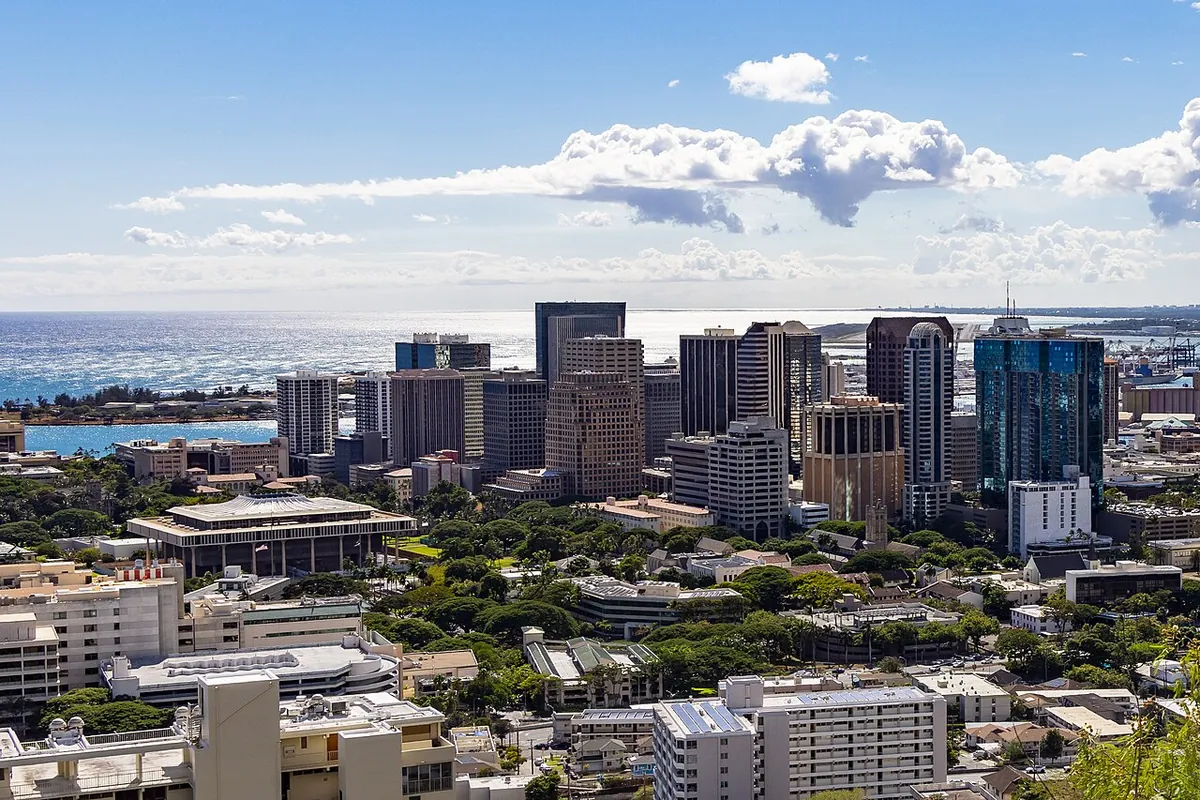
Urban Honolulu packs a wide range of buildings into a narrow strip between the Koolau Range and the ocean. Kakaako and Waikiki are dominated by concrete condominium towers, while Makiki, Moiliili and the Ala Wai area hold aging walk-ups. Up the valleys in Manoa, Nuuanu and Palolo you find older wood-frame homes, many with single-wall construction, post-and-pier foundations and corrugated or composition roofs. Kalihi and Kaimuki add multigenerational homes with ohana units, and East Honolulu toward Hawaii Kai has newer subdivisions and townhome communities.
That variety matters, because the right scope and pricing for a 1940s single-wall cottage is very different from the right scope for a water loss on the 28th floor of a tower.
Storm and water history in town
Honolulu is not often hit directly by hurricanes, but Hurricane Iwa in 1982 reminded residents what strong wind can do to roofs and lanais. More often, damage comes from rain: Kona lows that blow in from the south, flash flooding in the valleys and the April 2018 East Oahu flooding that sent water through homes in several East Honolulu neighborhoods. Inside condominium buildings, the most common losses are not storms at all but failed supply lines, corroded stack pipes and leaks that travel from one unit to the next.
Typical disputes we see in Honolulu
- Condo water losses where the AOAO master policy and the owner’s HO-6 policy each point to the other.
- Large master-policy deductibles passed on to unit owners through assessments.
- Estimates that leave out Hawaii General Excise Tax, freight or high-rise access costs such as elevator protection and debris chutes.
- Single-wall homes priced as if they were standard framed walls with drywall.
- Carriers attributing roof or window damage to salt air corrosion and wear rather than a sudden event.
How appraisal helps
When you and your insurer agree that a loss is covered but disagree on what it costs to repair, the appraisal clause in most property policies offers a way to resolve the amount without a lawsuit. Each side names an appraiser, the appraisers try to agree, and an umpire decides any items they cannot settle. Appraisal decides the amount of loss only, not coverage questions. If your claim has been denied or a suit deadline is close, speak with a Hawaii attorney.
Hawaii Insurance Appraiser builds a line-by-line estimate that reflects Honolulu labor, permitting through the city’s Department of Planning and Permitting, and the realities of working in occupied towers. We work with homeowners, unit owners and associations; see our condo and AOAO appraisal service or start with a carrier estimate review if you are not sure appraisal is the right step yet.
Specialties available in Honolulu
Every Hawaii Insurance Appraiser specialty is available to owners and associations in Honolulu, including:
- Appraisal Clause Representation
- Homeowner Claim Appraisal
- Condo, AOAO & Commercial
- Roof & Hail Claims
- Kona Storm & High-Wind Claims
- Hurricane Claim Appraisal
- Water Damage Claims
- Fire & Smoke Claims
Questions from Honolulu owners
Does my Honolulu condo’s master policy cover water damage inside my unit?
It depends on your association’s governing documents and the master policy wording. Often the master policy covers original building elements while your HO-6 covers upgrades, contents and your share of any deductible.
Can appraisal include General Excise Tax in a Honolulu repair estimate?
Yes. GET is a real cost of contractor work in Hawaii, and an appraisal estimate should account for it where it applies, along with freight and access costs.
My Manoa home has single-wall construction. Why does that matter for my claim?
Single-wall homes are built differently from framed walls with drywall, so repair methods and pricing differ. An estimate that treats them as standard walls can misstate the cost of a proper repair.